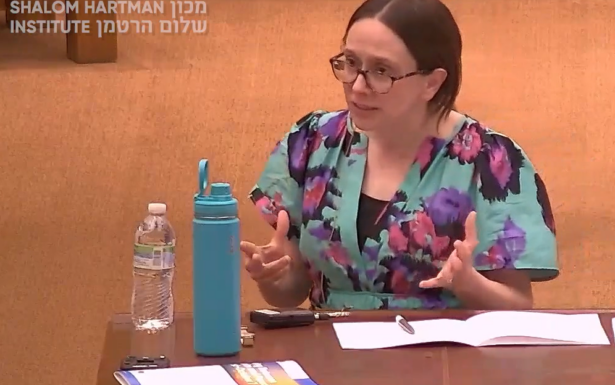
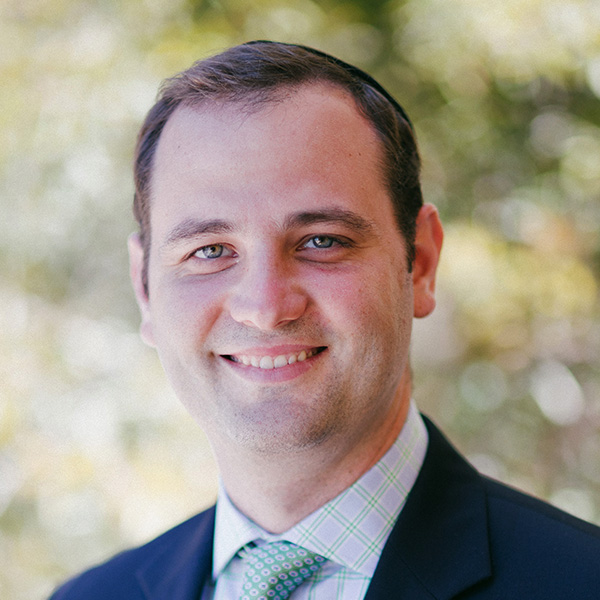
Sara Labaton examines Purim and Pesach as case studies for how Jewish values and rituals can serve as guideposts during these challenging times.
Summer in Jerusalem
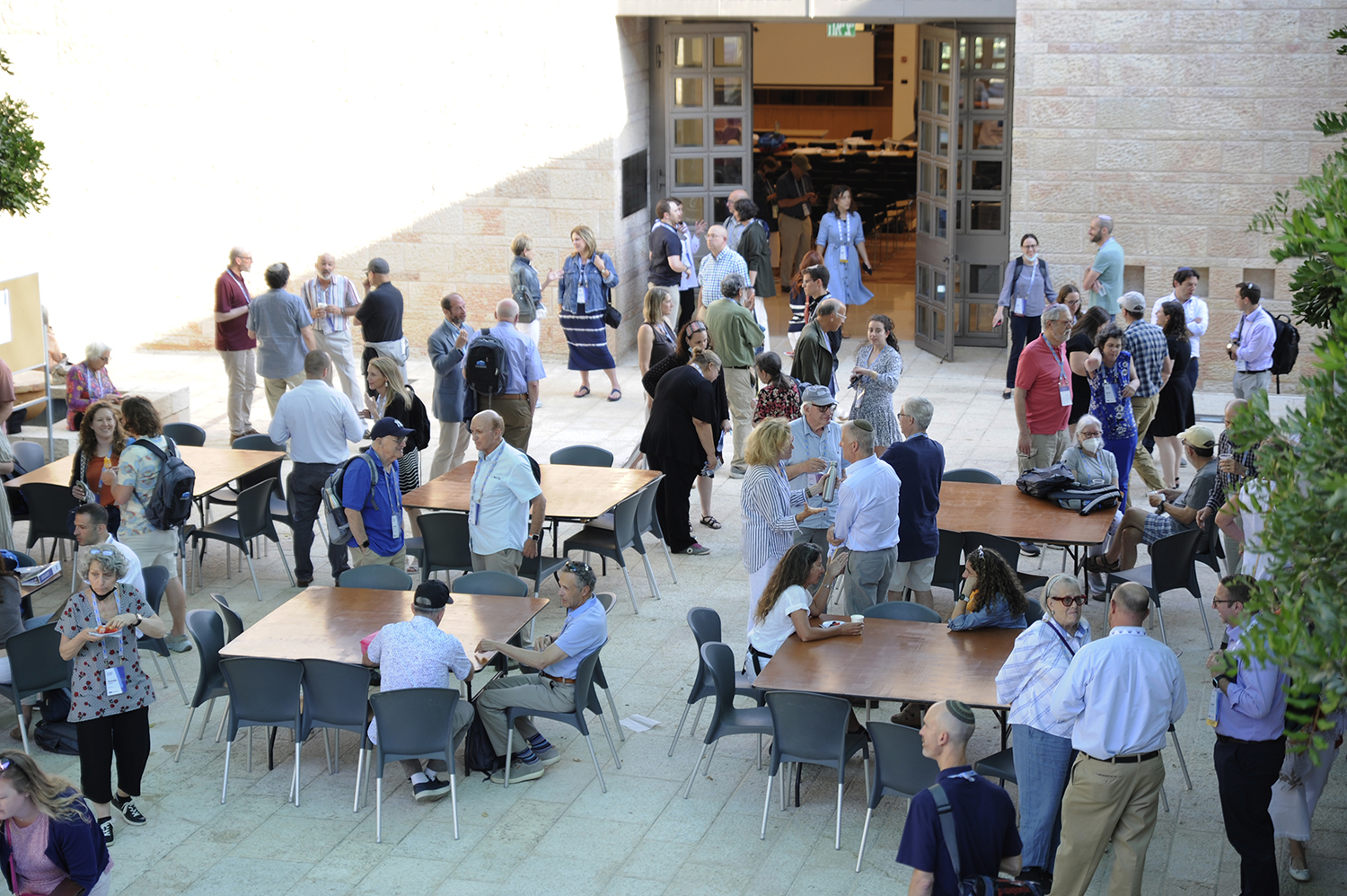
There is no more important time than now, and there is no better place than the Shalom Hartman Institute, to imagine the Israel of Tomorrow. Explore the spiritual and moral questions of this moment. Experience Israel’s resilience during a time of great challenge. Dream together of the future we hope to build. Join us.
What will Jewish life be like tomorrow? In the newest issue of Sources, 12 scholars each took a single concept and explored what it means to us today and what it could mean tomorrow.
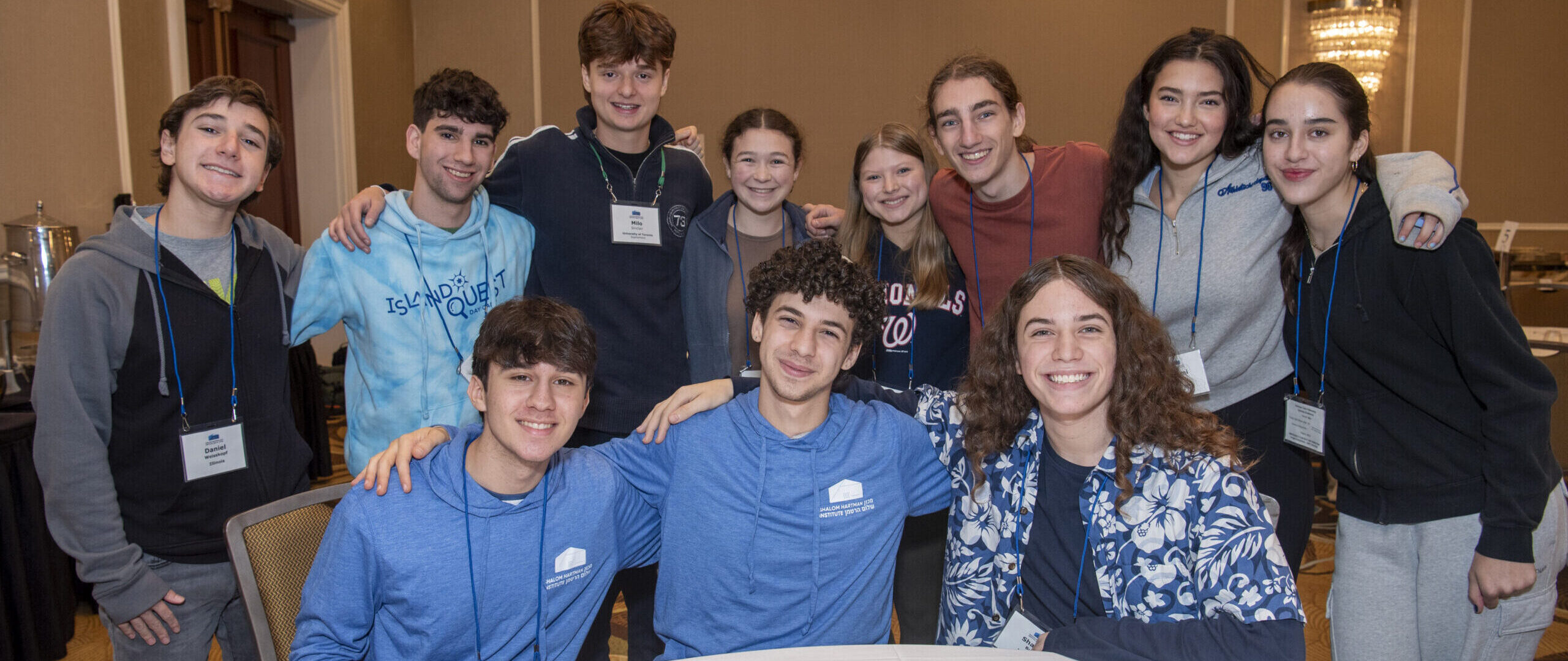
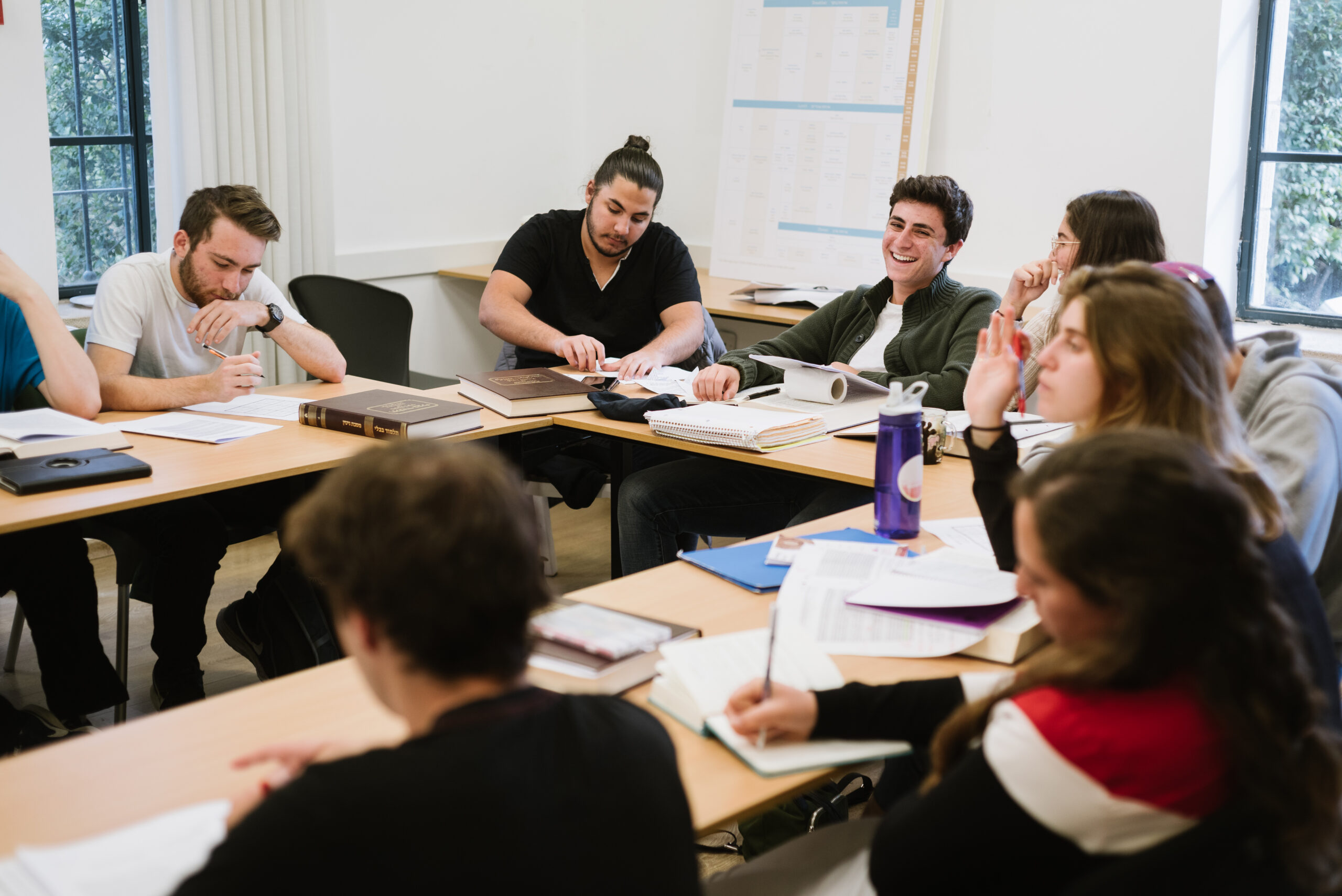
The Shalom Hartman Institute offers a growing suite of educational initiatives for young Jews between the ages of 15–25 as well as the professionals, educators, and institutions that serve them on college campuses, days schools, summer camps, congregational schools, and youth groups.
Our ideas library of 3,500+ articles, videos, podcasts, and more will change the way you think and we’re adding to it every day. Search by topic, holiday, scholar, or media to find your inspiration.
The current discourse can feel polarizing and toxic. But what if there were a different conversation? Watch our new video series, available exclusively on our social channels.